 Villa Remodeling & Painting Bel Air
Villa Remodeling & Painting Bel Air
Villa Remodeling & Painting Bel Air
Bel Air is famous for its stunning hillside homes and beautiful views. These properties sit on slopes in the Santa Monica Mountains area. The location offers privacy and scenery, but it also brings challenges with water and soil.
Hillside homes face risks from rain and soil shifts. Poor drainage lets water build up, which adds weight to the ground. This can cause the slope to move slowly or even slide. Early signs often appear small but can grow into big problems if ignored.
Many Bel Air homes were built decades ago. Their systems may not handle today's weather patterns or heavier rains. Spotting issues early helps protect the home and keeps repair costs lower. Regular checks make a big difference in these special spots.
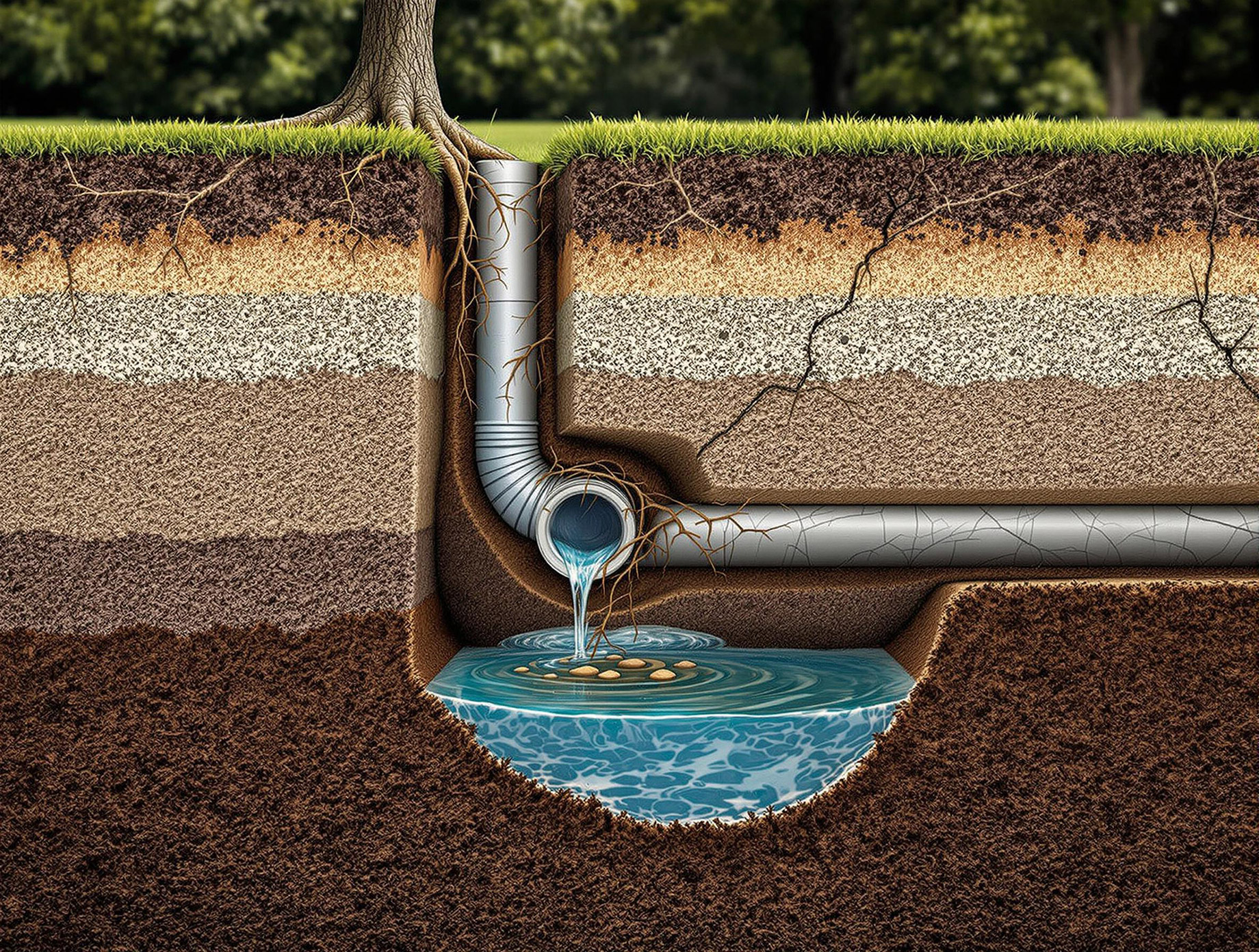
One of the first signs of drainage trouble is water that sits in low spots. After a storm, puddles linger near the foundation or on the slope. This shows water is not flowing away properly.
In Bel Air, slopes direct water downhill fast. But if grading is off or drains are blocked, water collects. Over time, this soaks the soil and weakens it. Homeowners notice soggy yards or muddy patches that last days.
Fixing this early prevents bigger damage. Simple steps like cleaning gutters help direct water better. Experts can assess and suggest improvements to keep things dry.
Erosion shows up as bare patches or gullies on the hillside. Water rushes down and washes away topsoil. Roots become exposed, and plants struggle to hold the ground.
In Bel Air's hilly terrain, heavy rain speeds up this process. Without good plant cover or drains, soil moves downhill. This leaves the slope unstable and can affect the home's base.
Early action stops erosion from worsening. Planting deep-rooted ground cover helps hold soil in place. Adding mulch reduces runoff impact too.
Small cracks in concrete areas often signal ground movement. As soil shifts, hard surfaces crack or separate. In hillside spots like Bel Air, this happens from uneven settling.
Water softens soil underneath, causing voids. Then the ground drops slightly, pulling surfaces apart. These cracks start narrow but widen over time if not fixed.
Addressing them early saves money. Filling cracks and improving drainage stops further shifts. Local professionals familiar with these hills can help evaluate the extent and recommend fixes.
Homes on slopes may settle unevenly. Floors slope slightly, or doors jam. These point to foundation movement from soil changes below.
Bel Air properties often have deep foundations for stability. But poor drainage erodes support soil. This leads to sinking in spots and stress on the structure.
Many owners turn to specialists for help. For instance, Villa Remodeling can evaluate and reinforce these areas. It keeps the home level and safe.
Retaining walls hold soil on Bel Air slopes. When they bulge or crack, it means pressure from water or movement. Leaning walls signal failing stability.
Without proper drains behind walls, water builds up. This pushes against the structure and causes damage. Early cracks let more water in, speeding up issues.
Regular inspections catch problems soon. Adding weep holes or drains relieves pressure. Repairs keep walls strong and slopes secure.
Dampness under the home is a red flag. Musty smells, water stains, or mold show water intrusion. In hillside homes, groundwater rises with poor surface drainage.
Bel Air's clay soils hold water longer. This leads to higher moisture levels below. It weakens foundations and invites pests or rot.
Improving exterior drainage helps most. French drains or sump pumps move water away. Experienced local teams, such as Bel Air whole home remodelers, often handle these integrated solutions during larger projects.
Plants die or lean oddly on slopes. This happens when roots lose grip from erosion. Overgrown or dying areas show underlying water issues.
In Bel Air, native plants help stabilize ground. But poor drainage kills them off. Replacing with drought-tolerant types improves hold and cuts water needs.
Good landscaping ties into drainage plans. It reduces runoff and erosion naturally. Thoughtful choices protect the property long-term.
Older Bel Air homes have plumbing and drains that wear out. Pipes crack or clog, adding extra water to the soil. This worsens slope problems over time.
Combining old systems with hillside risks increases movement. Leaks soften ground near foundations. Upgrading helps control water better overall.
Checking aging core systems during inspections is key. Modern pipes and drains handle flow without leaks. This supports slope stability.
Bel Air's beautiful hills come with natural challenges. Early attention to drainage and ground movement keeps homes safe and strong. Small signs often lead to bigger fixes if overlooked.
Regular walks around the property after rain help spot changes. Simple maintenance like clearing drains goes far. It preserves the home's value and enjoyment.
With care, these hillside treasures stay beautiful for years. Understanding the land and acting early makes all the difference in comfort and peace of mind.
Villa Remodeling & Painting, based in Encino (16200 Ventura Blvd Suite #301W, Encino, CA 91436), delivers a premier remodeling service built on the commitment of a family-owned business, backed by over 20 years of experience. The firm provides a comprehensive range of solutions for homeowners, from custom kitchen remodel Los Angeles and luxury renovations by expert bathroom remodelers to complete whole home remodel projects. Recognized as a leading bathroom remodeling company and proven by an excellent 4.6-star rating, its team of expert renovation contractors near me operates weekdays from 9 AM to 5 PM and can be contacted on its primary line, (213) 776-1344.
Name: Villa Remodeling & Painting
Address: 16200 Ventura Blvd Suite #301W, Encino, CA 91436, United States
Phone: (213) 776-1344
Website: https://villaremodeling.com/